VIA ROMA 7
Ex Pretura - Castelnovo Né Monti
—
« dal 18/01/2021 al 27/06/2021 »
La mostra è all’aperto, gratuita e accessibile in qualsiasi orario, compatibilmente con i Dpcm in vigore
Ci sono volute solo poche ore il 28 aprile 2020 perché le centinaia di tende sparissero in una nuvola di cenere.
A sud di Bamako, capitale del Mali, un vasto terreno adibito al deposito dei rifiuti urbani accoglie da più di 2 anni migliaia di sfollati dal centro del paese, in fuga dalla violenza e dalla guerra. Si tratta per lo più di Fulani, o Peulh, un gruppo etnico nomade di pastori che, insieme alle loro mandrie, attraversano le vaste distese saheliane alla ricerca di aree verdi durante la stagione secca e di pascoli non inondati durante la stagione delle piogge. Un vortice di violenza tra le comunità etniche della regione in parallelo ad un’espansione senza precedenti di un gruppo jihadista guidato da un Fulani ha colto l’intero gruppo etnico, che è stato ripetutamente accusato di essere complice o membro dei gruppi jihadisti.
Vittime di stigmatizzazione, di arresti, esecuzioni sommarie e di attacchi sempre più frequenti, i pastori, le loro mogli, le loro famiglie non hanno avuto altra scelta che andarsene per non morire in una guerra che non li riguardava.
Oggi, 290.000 persone in Mali sono fuggite dalle loro case e hanno trovato rifugio nella periferia delle città. Sono quattro volte di più di due anni fa e l’arrivo di nuovi sfollati non diminuisce. Nonostante le condizioni sanitarie siano estreme, la discarica di Faladié continua ad accogliere le famiglie in arrivo dal centro del Mali. Quel 28 Aprile, mentre un gruppo di abitanti bruciava alcuni copertoni per recuperarne i fili di ferro, il vento ha soffiato più forte del normale, verso le tende e verso le mandrie.
Le ONG e le autorità hanno promesso nuovi alloggi, ma una volta che la polvere si è depositata e il cielo è diventato di nuovo blu, nulla è cambiato. Le promesse non sono state mantenute, in pochi giorni nuove tende sono state costruite con i materiali a disposizione. I bambini hanno ripreso a giocare sulle montagne di spazzatura, le mandrie sono state riportate ai recinti e la vita ha ripreso la sua quotidianità. Ancora una volta.
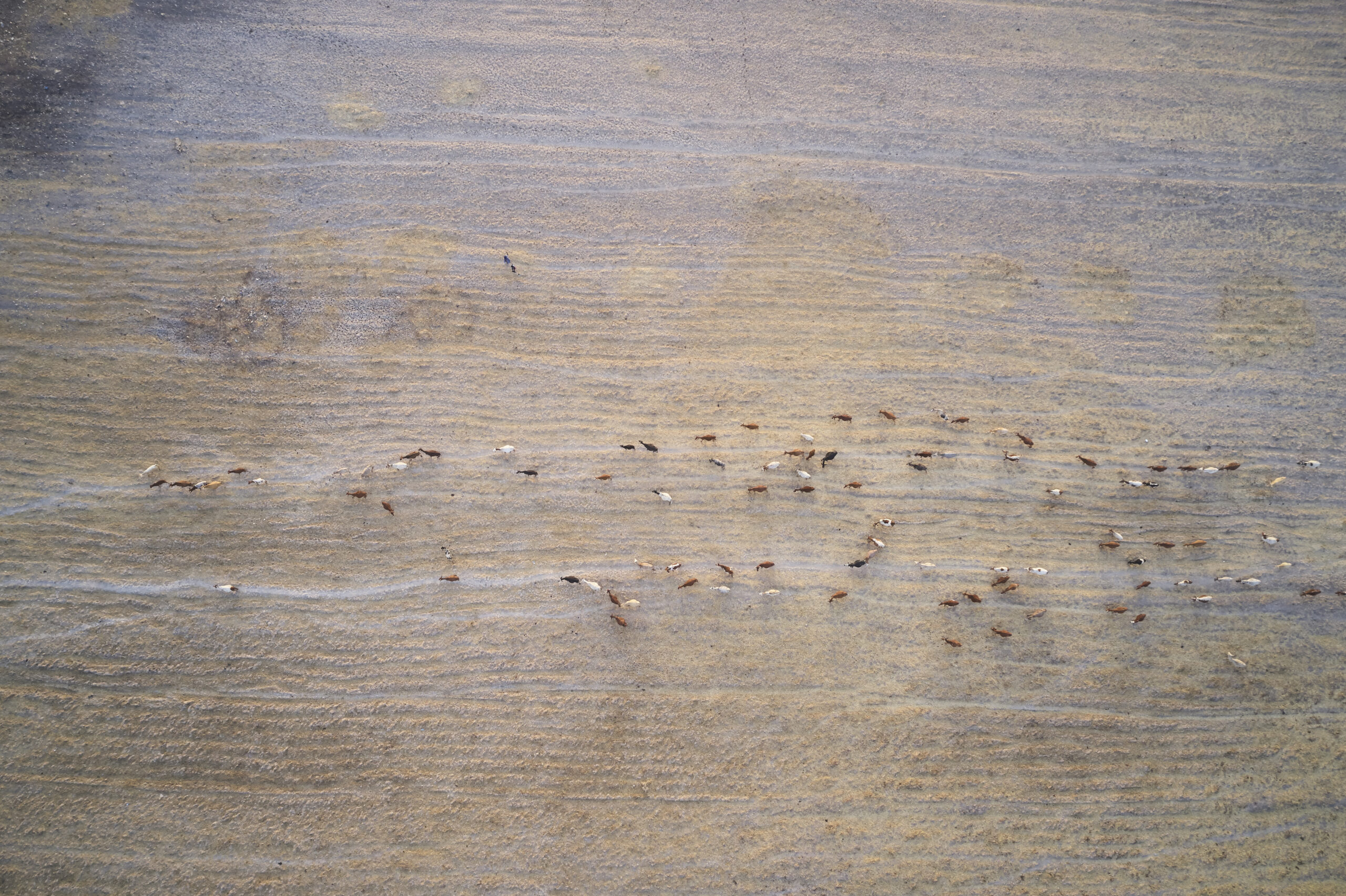
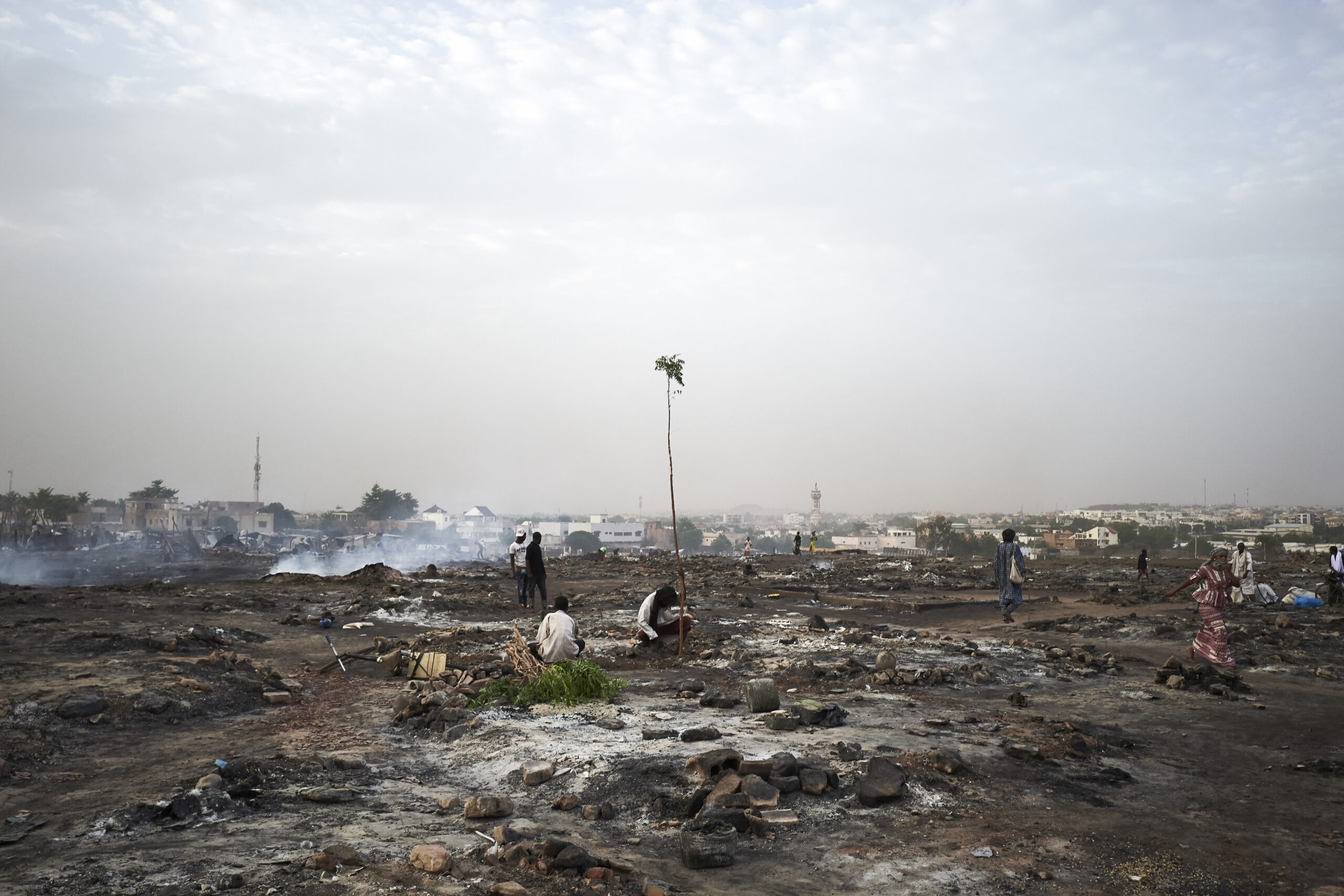
It only took a few hours on April 28th 2020 for the hundreds of tents to disappear in a cloud of ash.
To the south of Bamako, the capital of Mali, a vast land used for the storage of municipal waste has been receiving thousands of displaced persons from the centre of the country for more than two years, fleeing from violence and war. It is mostly Fulani, or Peulh, a nomadic ethnic group of shepherds who, along with their herds, crosses the vast Sahelian expanses in search of green areas during the dry season and pastures not flooded during the rainy season.
A vortex of violence among ethnic communities in the region in parallel to an unprecedented expansion of a jihadist group led by a Fulani has captured the entire ethnic group, which has been repeatedly accused of being an accomplice or member of jihadist groups. Victims of stigmatization, arrests, summary executions and increasingly frequent attacks, pastors, their wives, their families had no choice but to leave so as not to die in a war that did not concern them.
Today, 290,000 people in Mali have fled their homes and found refuge in the outskirts of the cities. They are four times more than two years ago and the arrival of new displaced persons does not decrease. Despite extreme health conditions, the Faladié landfill continues to welcome families arriving from the centre of Mali.
That April 28th, while a group of inhabitants burned some tires to recover the iron wires, the wind blew louder than normal, towards the tents and towards the herds.
NGOs and authorities have promised new housing, but once the dust has settled and the sky has turned blue again, nothing has changed.
The promises were not kept, in a few days new tents were built with the materials available. The children resumed playing on the mountains of garbage, the herds were brought back to the fences and life resumed its everyday life. Once again.
GUARDA IL VIDEO PROMO
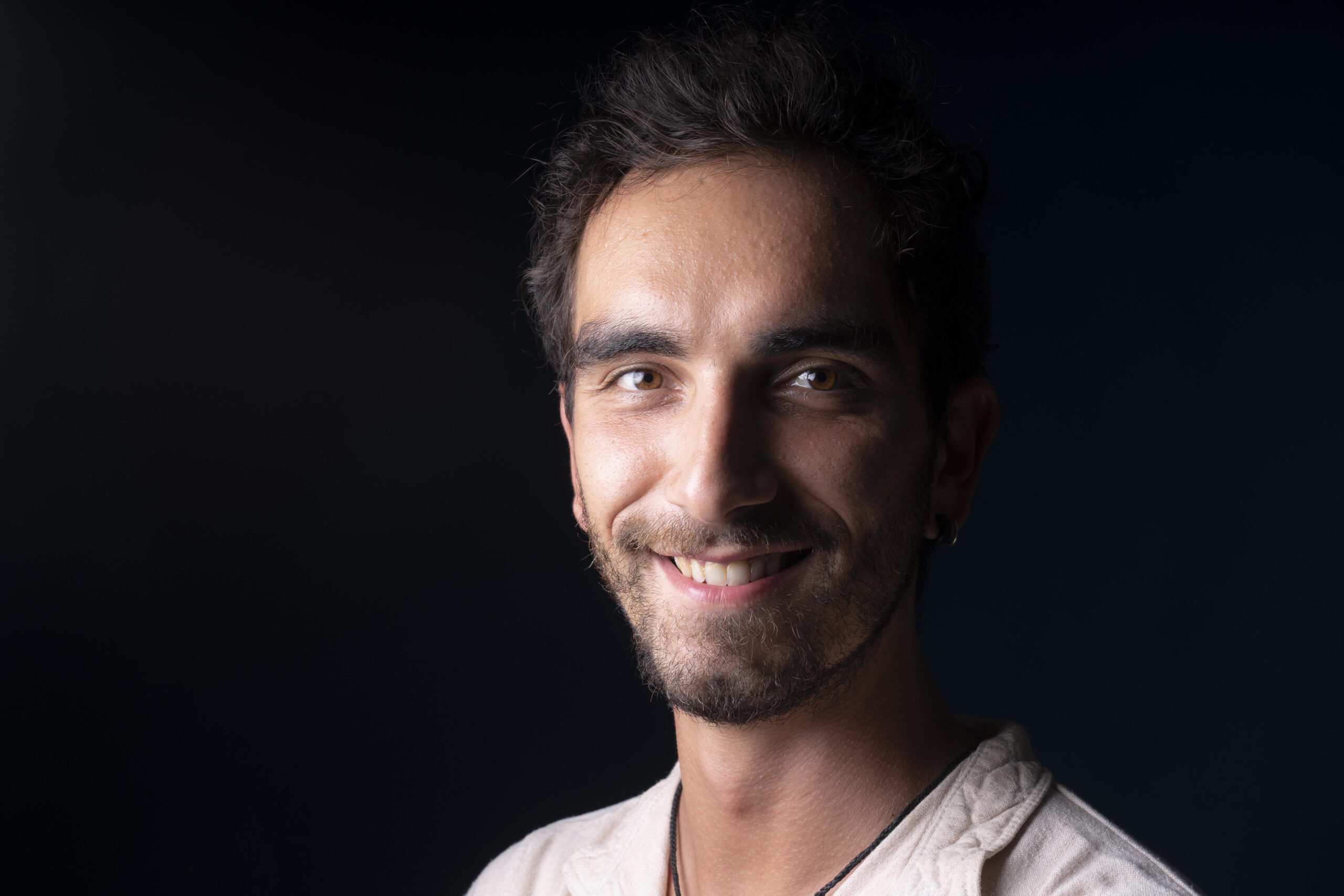
Michele Cattani è un fotografo documentarista e videomaker freelance che vive a Bamako dal 2017, dove collabora principalmente con l’AFP (Agence France Presse) e con organizzazioni internazionali quali Unhcr, Unocha, Msf, Icrc. I suoi lavori toccano diversi temi d’interesse nella regione sub-sahariana: migrazione, conflitto, cambiamento climatico, intervento umanitario, attualità, ma anche temi legati alla cultura, la religione, l’economia e la società. Prima di trasferirsi in Africa, ha conseguito nel 2013 la laurea in Ingegneria Gestionale a Reggio Emilia e successivamente in Ingegneria del Cinema e dei Mezzi di Comunicazione al Politecnico di Torino. Nel 2015 approfondisce gli studi di comunicazione a Città del Messico e consegue un master in fotografia documentaristica a Bangkok nel 2017. Nel 2018 insieme ad Andrea de Georgio e Annalisa Camilli, realizza “Storie Interrotte”, una serie di quattro episodi sul tema delle frontiere tra Mali, Italia e Francia. La serie diffusa da Internazionale viene premiata l’anno successivo al festival Digital Media Fest di Roma.
I suoi lavori sono stati pubblicati su Le Monde, Liberation, New York Times, The Times, The Guardian, Rai News, Internazionale, Africa.
Michele Cattani is a freelance documentary photographer and videomaker who has been living in Bamako since 2017, where he collaborates mainly with the AFP (Agence France Presse) and with international organizations such as UNHCR, UNOCHA, MSF, ICRC. His work touches on several topics of interest in the sub-Saharan region: migration, conflict, climate change, humanitarian intervention, current events, but also issues related to culture, religion, economy and society. Before moving to Africa, in 2013 he obtained a degree in Management Engineering in Reggio Emilia and then in Cinema and Media Engineering at the Politecnico of Torino.
In 2015 he studied communication in Mexico City and earned a Master’s degree in Documentary Photography in Bangkok in 2017. In 2018, together with Andrea de Georgio and Annalisa Camilli, he created “Storie Interrotte”, a series of four episodes on the theme of the borders between Mali, Italy and France. The series broadcast by Internazionale was awarded the following year at the Digital Media Fest in Rome.
His works have been published in Le Monde, Liberation, New York Times, The Times, The Guardian, Rai News, Internazionale, Africa.